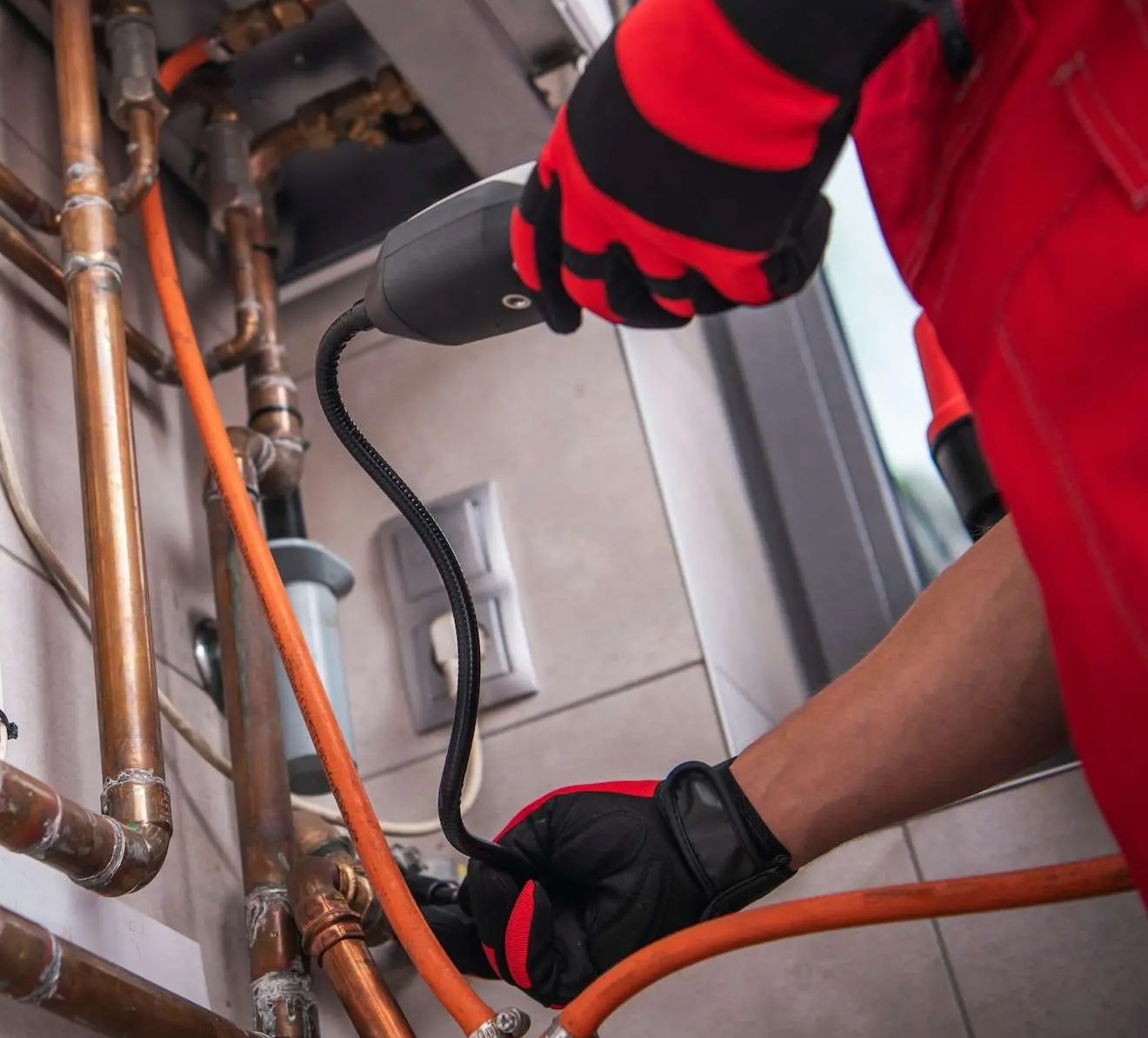
HVAC (Heating, Ventilation, and Air Conditioning) Services refer to a range of services that help regulate indoor environmental conditions, including temperature, humidity, and air quality. These services are crucial in ensuring that residential, commercial, and industrial buildings are comfortable, safe, and healthy to occupy. Below are some of the main areas that HVAC services cover:
Heating Services Heating services involve the installation, repair, and maintenance of heating systems, such as boilers, furnaces, and heat pumps. HVAC technicians perform a range of tasks, from diagnosing and fixing heating problems to performing routine maintenance and servicing to ensure that systems operate efficiently.
Air Conditioning servicesAir conditioning services involve the installation, repair, and maintenance of cooling systems, such as air conditioners, heat pumps, and ductless mini splits. HVAC technicians also perform air conditioning installation and repairs, ensuring that systems are running optimally to provide the desired cooling effects.
Ventilation ServicesVentilation services involve the installation and maintenance of ventilation systems, which play a crucial role in maintaining indoor air quality. HVAC technicians install and repair ventilation systems such as exhaust fans, air ducts, and air filters to ensure that buildings have proper air circulation and prevent the buildup of harmful pollutants and allergens.
Indoor Air Quality ServicesIndoor air quality services involve the installation and maintenance of air purification systems, such as air filters, UV lights, and humidifiers. HVAC technicians test indoor air quality levels to determine the appropriate air quality solutions to help ensure that the air inside buildings is clean and safe to breathe.
Energy Efficiency ServicesHVAC technicians also provide energy efficiency services, which involve upgrading or replacing outdated or inefficient heating and cooling systems. These services help property owners save on energy costs and reduce their environmental impact by reducing the amount of energy needed to regulate indoor conditions.